Fire extinguishers are one of the most important first-response tools during a fire emergency. When used correctly, they can prevent small fires from escalating into major disasters. However, misuse or lack of knowledge can make them ineffective or even dangerous. This blog highlights essential fire extinguisher safety tips to help protect lives and property.
1. Know the Types of Fire Extinguishers
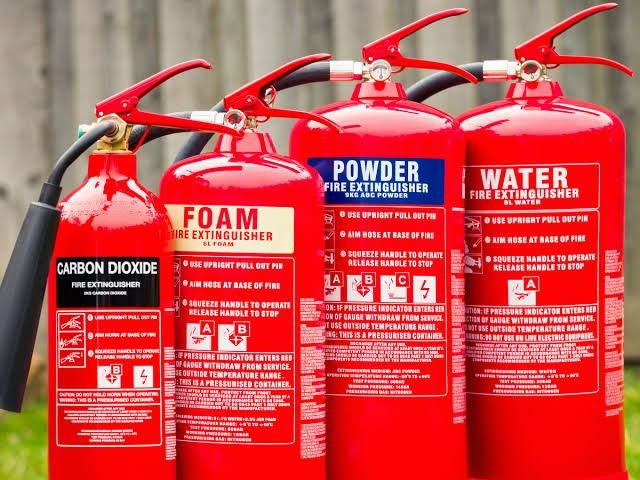
Not all fire extinguishers are the same. Each type is designed for specific classes of fire:
Class A – Ordinary combustibles like wood, paper, and cloth
Class B – Flammable liquids such as petrol, oil, and solvents
Class C – Electrical fires
Class D – Combustible metals
Class K – Cooking oils and fats
Using the wrong extinguisher can worsen the fire. Always ensure the extinguisher matches the fire risk in your environment.
2. Learn the PASS Technique
To use a fire extinguisher correctly, remember PASS:
Pull the pin
Aim the nozzle at the base of the fire
Squeeze the handle
Sweep from side to side
This technique helps control the fire effectively while maintaining a safe distance.
3. Ensure Easy Accessibility
Fire extinguishers should be:
Clearly visible
Unobstructed
Mounted at recommended heights
Located near exits and high-risk areas
In an emergency, every second counts. Poor placement can delay response time.
4. Inspect Extinguishers Regularly
Routine inspections ensure extinguishers are ready for use. Check for:
Correct pressure level
Intact safety pin and seal
No physical damage or corrosion
Clear operating instructions
Damaged or expired extinguishers should be replaced immediately.
5. Do Not Fight Large or Spreading Fires
Fire extinguishers are meant for small, controllable fires. If the fire is spreading rapidly, producing heavy smoke, or blocking escape routes, evacuate immediately and call emergency services. Personal safety must always come first.
6. Get Proper Training
Training improves confidence and response during emergencies. Fire extinguisher training helps individuals:
Identify fire hazards
Choose the correct extinguisher
Use equipment safely
Reduce panic during fire incidents
Regular drills and refresher courses are highly recommended, especially in workplaces.
7. Maintain Clear Escape Routes
Always position yourself with a clear exit behind you when using an extinguisher. If the fire becomes uncontrollable, you must be able to leave safely without obstruction.
8. Educate Everyone in the Environment
Fire safety is a shared responsibility. Ensure staff, residents, or occupants understand:
Where extinguishers are located
When and how to use them
Emergency evacuation procedures
Awareness saves lives.
Conclusion
Fire extinguishers are vital safety tools, but their effectiveness depends on proper selection, maintenance, and training. By following these safety tips, individuals and organizations can reduce fire risks, respond effectively to emergencies, and create a safer environment for everyone.