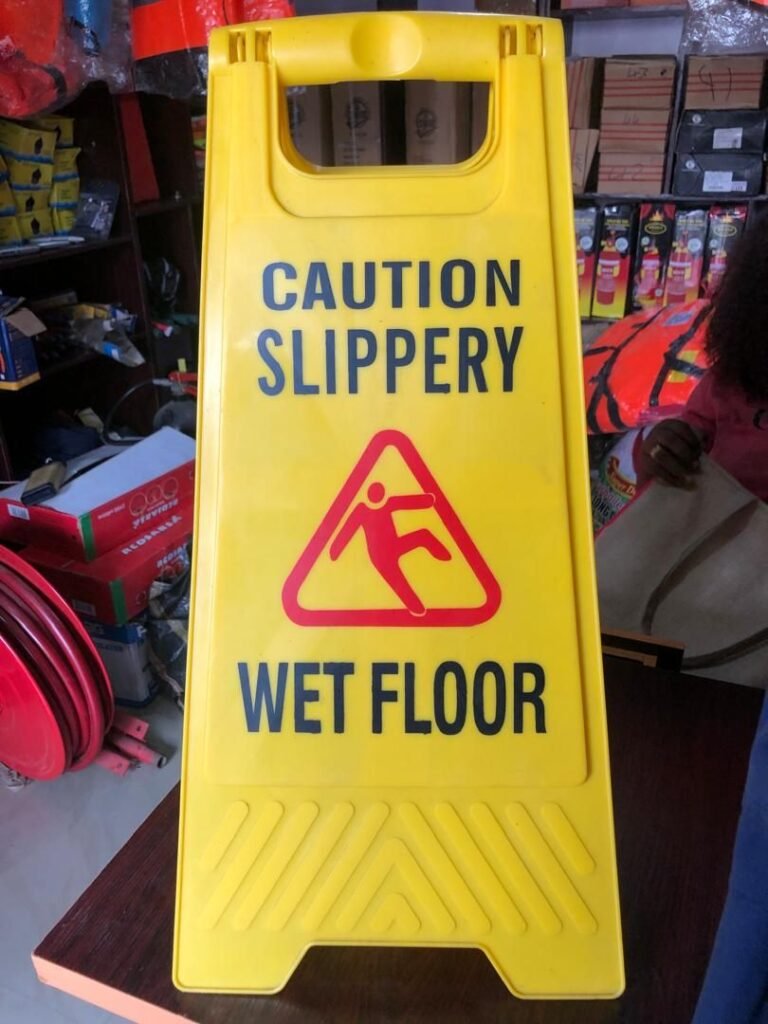
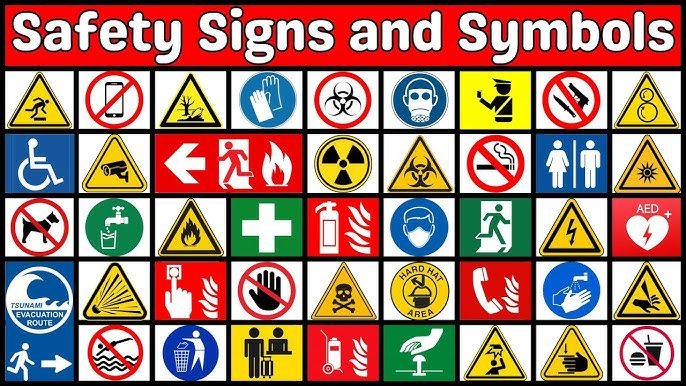
Safety signs are designed to protect lives. They are not decorations or optional guidelines—they are clear warnings, instructions, and information meant to prevent accidents, injuries, and loss of life. Ignoring safety signs, whether intentionally or through negligence, can lead to serious consequences in workplaces, public spaces, and even at home.
Understanding the Purpose of Safety Signs
Safety signs communicate hazards that may not be immediately obvious. They alert people to dangers such as fire risks, electrical hazards, slippery surfaces, restricted areas, and emergency exits. These signs use standard colors and symbols so they can be easily understood by everyone, including visitors and non-native language speakers.
The Risks of Ignoring Safety Signs
When safety signs are ignored, the likelihood of accidents increases significantly. A “No Smoking” sign in a fuel storage area, if disregarded, can result in explosions or fires. Ignoring “High Voltage” warnings can lead to severe electrical shock or death. In emergency situations, failure to follow exit or assembly point signs can cause panic, delays in evacuation, and loss of life.
Safety Signs in the Workplace
In industrial, construction, oil and gas, and manufacturing environments, safety signs are critical. They guide workers on the proper use of personal protective equipment (PPE), identify hazardous zones, and provide emergency instructions. Compliance with safety signage is not just good practice—it is often a legal requirement. Employers and employees share responsibility for respecting and following these signs to maintain a safe working environment.
Safety Signs Save Lives During Emergencies
During fires, chemical spills, or other emergencies, safety signs play a vital role. Emergency exit signs, fire extinguisher locations, first aid points, and assembly area signs help people respond quickly and correctly. Ignoring these signs can slow response time and worsen the impact of an emergency.
Creating a Culture of Safety Awareness
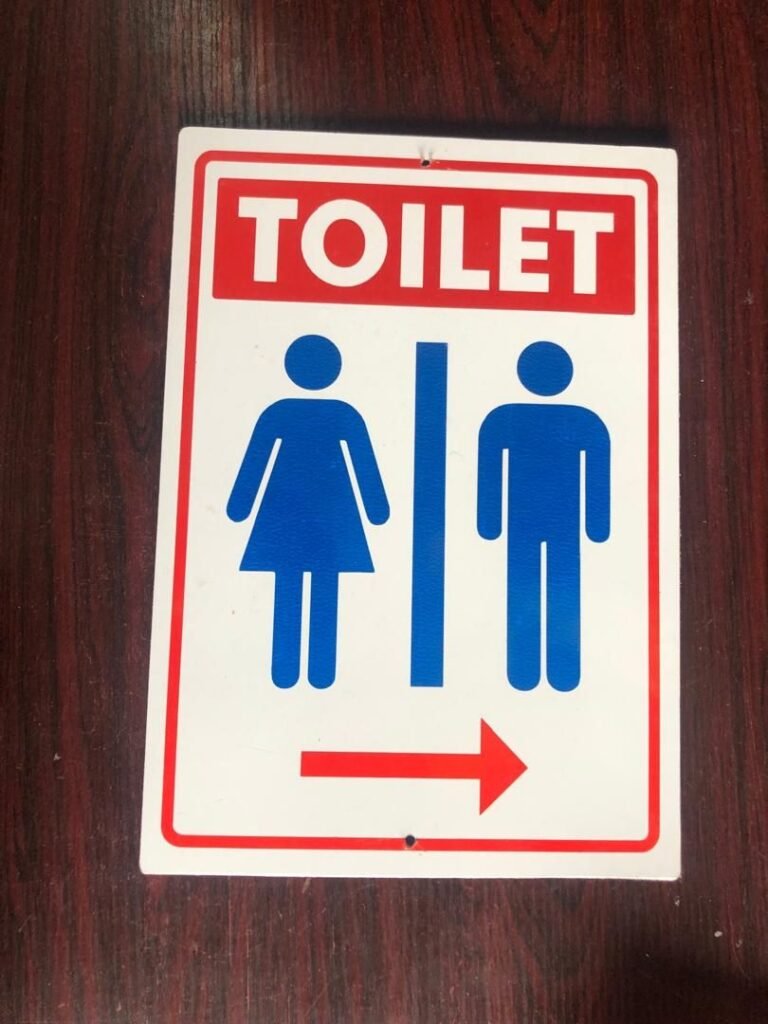
Respecting safety signs promotes a strong safety culture. Organizations should ensure that signs are clearly visible, well-maintained, and placed where hazards exist. Regular safety training helps reinforce the importance of following signs and understanding their meanings. Individuals, on the other hand, must take personal responsibility by observing and obeying all safety instructions.
Conclusion
Safety signs exist for one reason: to protect human life and property. Ignoring them puts not only the individual at risk but also coworkers, visitors, and the general public. By paying attention to safety signs and following their instructions, we can prevent accidents, reduce injuries, and create safer environments for everyone. Remember—safety signs are there to guide you. Do not ignore them.